
If you're based in the UAE or planning a Gulf trip, you've probably asked the question at least once: is Oman actually worth the effort, or should you just extend your Dubai stay? It's a fair question. Dubai is polished, easy to navigate, the food scene is world-class and everything works. Oman requires a car, more planning, and takes a full week to do properly.
The short answer: yes, Oman is absolutely worth visiting — but not for the reasons most travel guides tell you. This is the honest answer, written from the Gulf, on who Oman is actually for, what it costs, what you'll genuinely see and whether it belongs on your 2026/2027 travel list.
🏆 Lonely Planet's Best in Travel 2027
Oman was named one of Lonely Planet's Best in Travel destinations for 2027 — recognition that's driven a surge of interest from UAE-based travellers. The timing is good: visitor infrastructure has improved significantly over the past two years, but it still hasn't tipped into the over-tourism that's affecting other Gulf-adjacent destinations. Go now.
The Honest Verdict: Who Oman Is Actually For
Oman gets rave reviews from every traveller type — but the reality is it's a very specific kind of travel experience, and knowing whether it's right for you saves a lot of disappointment. Here's the honest breakdown:
Wadis, 4WD desert tracks, mountain driving, sea turtle nesting sites, canyons and caves. If you like getting off the road, Oman is extraordinary. This is where it genuinely excels.
Authentic Arabian heritage — living souqs, forts, falconry and frankincense. Unlike some Gulf neighbours, Oman has preserved its identity rather than replacing it with glass towers. The old medina of Mutrah, Nizwa Fort and the UNESCO-listed aflaj irrigation systems are genuinely moving.
Whale watching, dolphin pods, loggerhead turtle nesting (Ras Al Jinz), Wahiba Sands and the dramatic Hajar Mountains. The biodiversity is underrated.
A 4.5-hour drive to Muscat, then work your way back via Nizwa, Wahiba, Sur and the coastal road. One of the best road trips in the Middle East.
City break fans who prefer walkable neighbourhoods, nightlife, world-class restaurants and no car. Muscat is sprawling, requires a vehicle and closes early. Dubai is significantly better for a pure city break.
Oman vs Dubai: The Honest Comparison
Most Gulf visitors have to choose between adding Oman to their trip or spending more time in Dubai. Here's how they actually compare — not the tourist-board version:
| Factor | Oman | Dubai |
|---|---|---|
| Getting around | Car essential — you cannot see Oman without one | Metro + Uber — very walkable in key areas |
| Accommodation | $50–120/night mid-range; luxury costs less than Dubai | $80–200/night mid-range; luxury is world-class |
| Food scene | Excellent Omani cuisine, Indian food, limited fine dining | One of the best food cities in the world |
| Landscapes | ⭐⭐⭐⭐⭐ — wadis, deserts, mountains, coast | Desert and coast (limited without driving out) |
| Culture authenticity | High — preserved heritage, traditional dress, real souqs | Mixed — heritage exists but commercial overlay is thick |
| Crowds | Low — even top sites feel uncrowded | Very busy in peak season |
| Nightlife | Minimal — restaurants close by 10–11pm | Excellent — bars, clubs, rooftop venues |
| Minimum time needed | 5 days to scratch the surface properly | 3 days works well for a city break |
| Overall pace | Slow and reflective | Fast and stimulating |

What You'll Actually See in Oman
Here's what actually moved people in 2026 — not the top-ten list version, but what the destination genuinely delivers:
The Wadis
Oman's wadis (dry riverbeds that hold emerald pools) are unlike anything in the region. Wadi Shab near Sur is the most famous — an hour-long walk in to reach a canyon pool you swim through to reach a hidden waterfall inside a cave. Go on a weekday, start early, bring cash for the boat crossing (1 OMR each way). Wadi Bani Khalid is more accessible and family-friendly. Wadi Nakhr (the Grand Canyon of Arabia) requires a 4WD and is jaw-dropping.
Jebel Akhdar (Green Mountain)
A 2,000m plateau above the Hajar Mountains, famous for its rose water, pomegranates and terraced villages. Accessible only by 4WD (the gate literally stops saloon cars). The views over Wadi Al Ayn are among the best in the country. Rose harvest season in March is spectacular. Several luxury hotels here have pools with infinity views over the canyon.
Nizwa Fort and Souq
One of the best-preserved forts in the Arab world, with a Friday morning goat market that's been running for centuries. The souq sells genuine Omani silver, khanjars (curved daggers) and frankincense at prices far better than tourist shops in Muscat. Worth a full half-day.
Wahiba Sands Desert
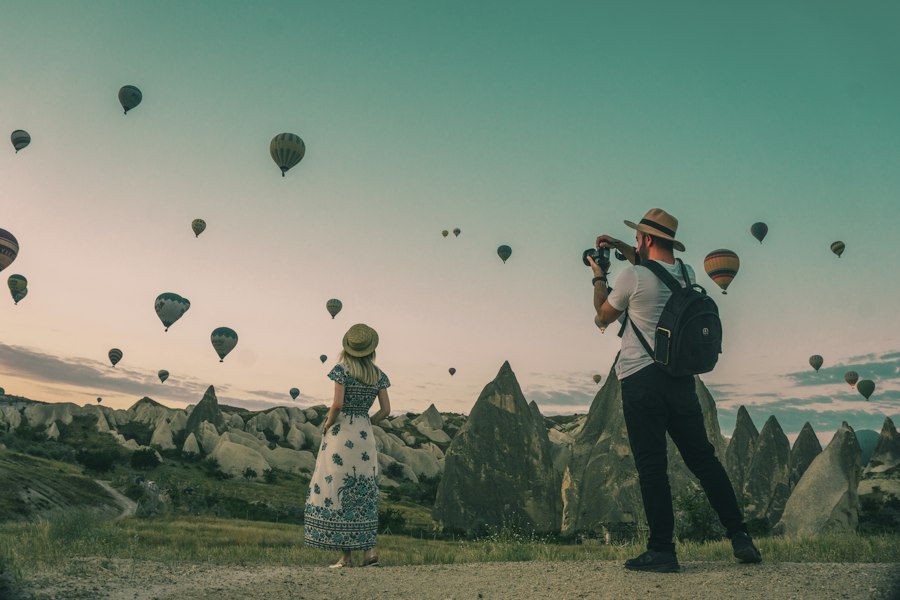
A working desert — Bedouin communities still live here — but accessible enough for a night or two in a desert camp. The dunes rise to 200m and turn deep orange at sunset. Several well-run camps offer everything from basic tents to luxury glamping. Book in advance October through March; it's very popular with UAE weekend travellers.
Ras Al Jinz Turtle Reserve
Loggerhead turtles nest on this beach every night year-round, with peak season from June to August. A UNESCO World Heritage Site and genuinely one of the most moving wildlife experiences in the Middle East — watching a 150kg turtle haul herself up the beach by moonlight. Night tours book out; reserve your spot as far ahead as possible.

How Much Does Oman Actually Cost?
Oman is not as cheap as some travellers expect — it is a mid-income Gulf country, not Southeast Asia. But it is significantly cheaper than Dubai for accommodation and food, and there are almost no entrance fees for the major natural sites.
| Budget Level | Daily Cost (USD) | What You Get |
|---|---|---|
| Budget | $60–80/day | Guesthouses/cheap hotels ($25–40/night), Omani restaurants ($5–10/meal), basic car hire ($25–35/day 4WD), fuel is cheap |
| Mid-Range | $130–200/day | 3-star hotels ($60–100/night), a mix of Omani and international restaurants, comfortable 4WD hire |
| Comfortable | $220–380/day | 4-star hotels ($100–180/night), desert camp experience, fine dining in Muscat, guided day trips |
| Luxury | $400+/day | Six Senses Zighy Bay, Alila Jabal Akhdar, or Anantara Al Jabal Al Akhdar — some of the most spectacular resorts in the world |
🧮 Plan Your Oman Trip Budget
Use our free Trip Cost Calculator to estimate your total Oman budget — including flights from your city, accommodation, car hire and daily spending.
→ Open Trip Cost Calculator ✈️ Compare Flights to MuscatBest Time to Visit Oman
The season in Oman is more binary than most destinations — the gap between the best and worst months is enormous:
| Month | Temp Range | Rating | Notes |
|---|---|---|---|
| October–November | 28–34°C | Excellent | Cooling down, very little rain, quieter than peak season |
| December–February | 20–26°C | Peak / Best | Perfect hiking and outdoor weather; busiest and most expensive |
| March–April | 24–32°C | Excellent | Rose harvest on Jebel Akhdar, warm enough for wadis, fewer crowds |
| May–June | 34–42°C | Manageable | Hot but do-able in mountain areas; Muscat is brutal |
| July–September | 40–48°C interior | Avoid (except Salalah) | Extreme heat; Salalah in July–Sept is Khareef season — green and beautiful, worth a special trip |
Getting to Oman From Dubai
There are two main options, and both work well:
The Al Hayer border crossing is the smoothest. Cross early morning to avoid weekend queues. You need cross-border insurance arranged through your rental company (ask when booking). The drive along the coast after the border is spectacular. Most popular option for UAE residents doing a weekend or long weekend trip.
Oman Air, flydubai and Air Arabia run multiple daily flights to Muscat from both UAE airports. Tickets can be as low as $50 one-way if booked ahead. Better option if you're short on time or if you want to cover more of Oman by basing in Muscat and doing day trips rather than road-tripping the whole country. Hire a car at Muscat Airport on arrival.

Is Oman Safe?
Oman is one of the safest travel destinations in the world — not just the Middle East. The country consistently ranks in the top 10 of the Global Peace Index. Crime targeting tourists is extremely rare. The Omani people are famous throughout the region for their warmth and hospitality — the concept of diyafa (hospitality to guests) is taken seriously.
Solo female travellers consistently rate Oman as one of their most comfortable experiences in the Arab world. The conservative dress code (covering shoulders and knees in towns, particularly near mosques) is respected rather than enforced, and modest dress is genuinely appreciated. The Mutrah Souq at night, the mountain villages and even remote wadi areas are all safe to explore independently.
The Honest Summary: Who Should Visit Oman in 2026/2027
Go to Oman if: You want extraordinary natural landscapes without crowds. You're interested in genuine Arabian heritage. You're road-tripping the Gulf. You want to see the UAE but also want something slower and more culturally rich to offset it. You have at least 5 days and are happy to drive.
Skip Oman if: You want walkable city breaks, world-class nightlife, rooftop bars and food delivery at 2am. You're doing a 3-day stopover and need maximum efficiency. You cannot or do not want to drive a 4WD.
Our rating: Oman is a 9/10 destination for the right traveller — and a 6/10 for the wrong one. Know which you are before you book. If you're on the fence, combining it with a wider Gulf trip is the safest bet — you'll know within the first day whether you want to extend.
📖 You Might Also Like
🕌 Dubai to Doha: The Full Gulf Road Trip Guide → 💰 How Much Does Jordan Actually Cost? Honest Budget Breakdown → 🍽️ What to Eat in Doha: The Honest Food Guide → 🛡️ Do You Actually Need Travel Insurance? The Honest Answer → 🎒 Smart Packing List Generator — Free Tool →Get the Gulf Traveller Checklist
Oman packing list, best apps for Gulf travel, hidden wadi guide and our 7-day Oman road trip itinerary — free in your inbox.