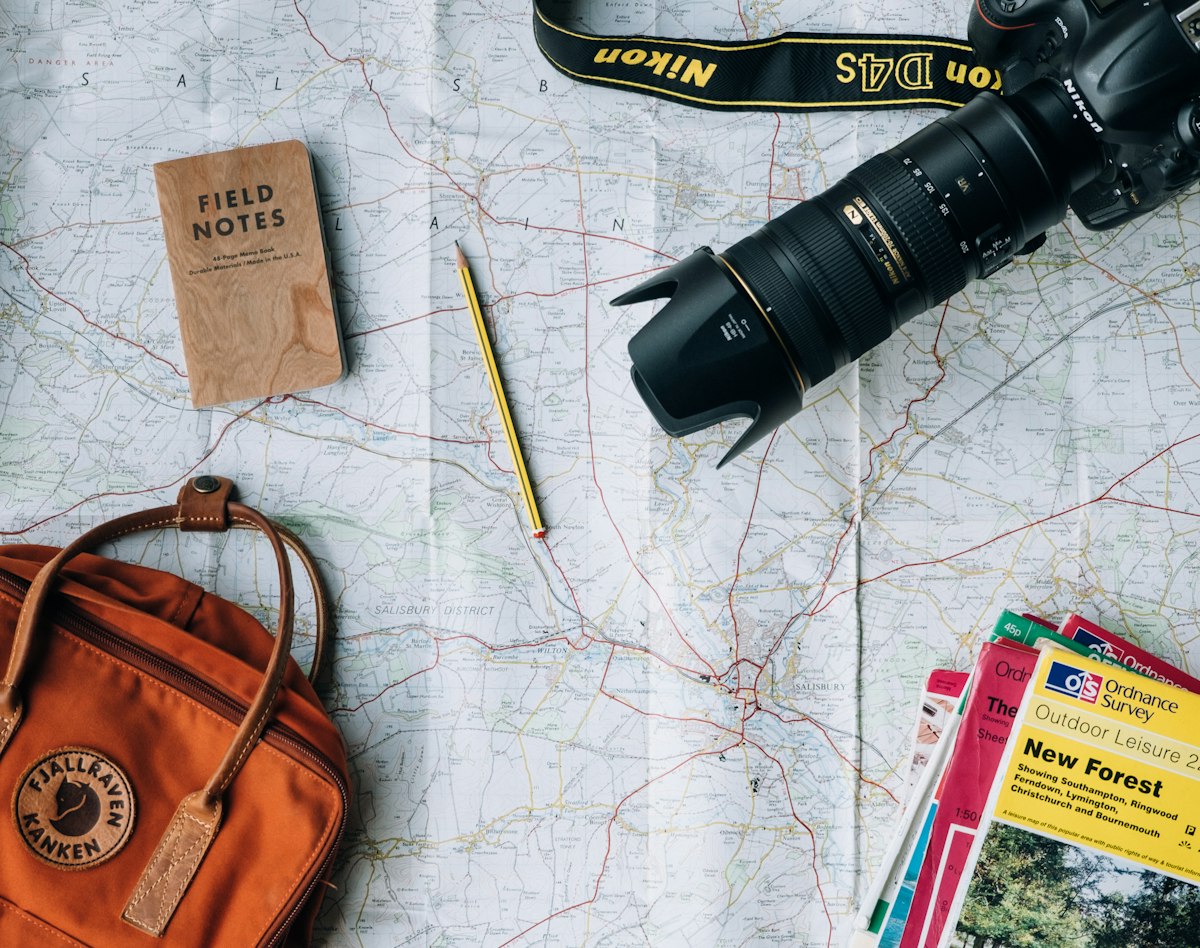
Most "budget travel" guides fall into one of two traps: they either tell you to stay in the cheapest dormitory possible and eat nothing but street food, or they share tips so obvious that anyone who has booked a flight already knows them. Book in advance! Use Skyscanner! Pack light to avoid checked bag fees!
This is not that guide. These are the tips that actually move the needle — the ones that can cut your total trip cost by 20–40% without making you feel like you are travelling on a reduced-experience version of the trip everyone else is taking.
🧮 Start With the Numbers
Before any of the tips below, run your trip through our free Trip Cost Calculator — it estimates your total budget based on destination, travel style and length of stay, and shows where your money is actually going. Most people are surprised that flights are rarely the biggest cost. Food and internal transport often add up faster than the plane ticket.
🧮 Free Trip Budget Calculator
Enter your destination, dates and travel style — get an instant breakdown of what your trip will cost and where to save money.
→ Calculate My Trip Cost 💱 Currency ConverterThe 6 Areas Where You Can Actually Save Real Money
Travel costs break down into six categories. Most tips address only one or two. Here is a systematic look at all six, with the tactics that genuinely make a difference in 2026:

1. Flights: Where the Big Savings Actually Live
Flights are usually the first cost people try to optimise, but many approaches are outdated. Here's what actually works in 2026:
Google Flights' price alerts and Hopper send you a notification the moment a route drops to your target price. Most people who "got a great deal" set an alert weeks before they booked. Searching manually every day is both time-consuming and less effective — the algorithms beat you.
Google Flights shows a full month of prices — cheapest days are green. For most routes, flying Tuesday, Wednesday or Thursday is 15–30% cheaper than Saturday. The cheapest day to fly within a week can vary by $150–300 on popular routes.
Not just a 20-minute drive — a 90-minute bus or train ride to a secondary airport can save $200–400 each way on budget carriers. If you're in London, Luton and Stansted are worth checking against Heathrow. If you're in the UAE, Abu Dhabi and Sharjah often undercut Dubai on the same routes.
A direct flight from a hub city is often much more expensive than: (a) flying your home airport → hub on a budget carrier, then (b) hub → destination on a separate ticket. This requires more planning and means you carry your bag between flights, but the savings can be substantial — $300–600 on long-haul trips.
Ryanair, Wizz, flydubai and similar budget carriers make most of their margin on checked bag fees — often $40–70 each way. A smart packing list and a well-chosen 40L bag means you carry-on for free and skip the baggage carousel entirely.
2. Accommodation: The Category With the Most Room to Save
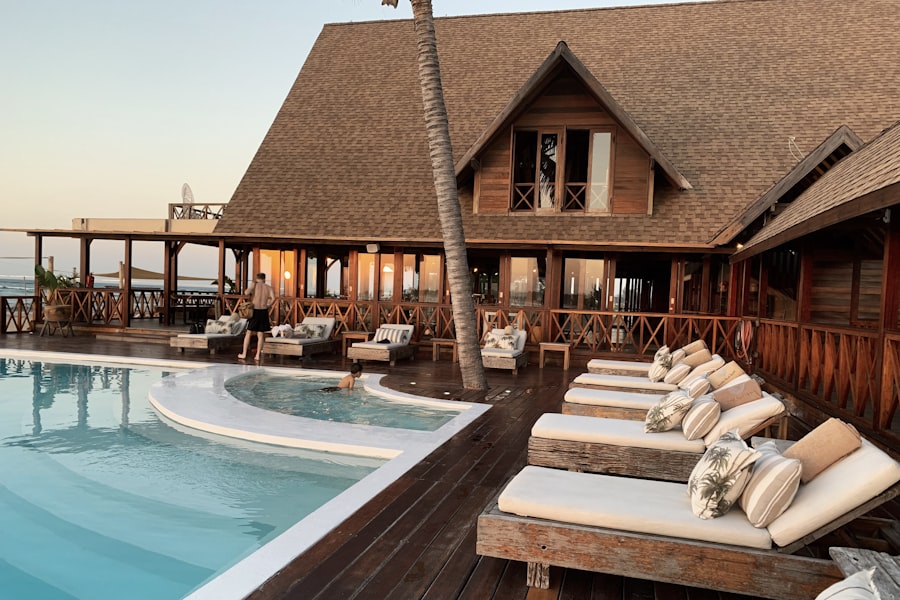
Hotels, hostels, apartments and guesthouses all have significantly more price flexibility than flights. Here's where budget travellers actually win back the most money:
- Stay 4+ nights for apartment discounts: Most serviced apartments and Airbnb hosts offer 20–30% weekly discount. Four nights in an apartment with a kitchen will often cost less than four nights in a hotel when you factor in the meals you'll cook — especially in expensive cities like London, Paris or Singapore.
- Book directly after finding on Booking.com: Many independent hotels offer a 5–10% discount if you contact them directly and ask for their best rate — they save the Booking.com commission (typically 15–20%). Find the hotel on Booking, then Google the hotel's direct website and enquire. This works particularly well for guesthouses and smaller properties.
- Use Booking.com's Genius tier: Free to join, provides 10–15% discounts at over 100,000 properties worldwide. You qualify for Genius Level 1 after just 2 bookings. No annual fee, no credit card required.
- Stay one or two neighbourhoods back from the main tourist area: In most cities, moving 15 minutes from the most popular area by public transport cuts accommodation prices by 30–50%. You will have slightly longer commute times but save significantly — especially in cities like Barcelona, Prague, or Bangkok where public transport is fast and cheap.
- Ask about long-stay rates at check-in: If you're planning to extend your stay — or even if you might — ask at check-in whether there's a long-stay rate if you decide to stay longer. Many hotels offer spontaneous extensions at a better rate than the online price if you are already there.
3. Food: Eat Well Without Eating Expensive
Food is where many travellers overspend without realising it — not on expensive restaurants, but on convenience: grabbing airport food, buying snacks at tourist-adjacent shops, eating at the restaurant closest to the hostel because it's easy. Small decisions compound fast.
The set lunch menu is one of the best-kept travel secrets in Europe, Latin America and Southeast Asia. Many excellent restaurants — including ones where dinner would cost $30–50 per head — offer a two-or three-course set lunch for $8–15. The same quality, a fraction of the price, slightly earlier in the day.
Every city has a version of this: restaurants within 200 metres of the main tourist attraction are significantly more expensive and often significantly worse. Walk one street back. Find the market. Find the place where construction workers or office staff are eating lunch. It is almost always the best food at a third of the price.
On travel days — long buses, day trips, airport transits — packing supermarket snacks and a water bottle saves $15–25 per day that would otherwise go to overpriced airport food and tourist-area cafés. In many countries, supermarkets also have excellent prepared food sections (Portugal, Spain, Japan and the Middle East are particularly good for this).
In Italy, Spain and many Mediterranean countries, the same coffee costs 50–70% more if you sit at a table (and sometimes outside) rather than standing at the bar. A €4 cappuccino sitting down is €1.20 standing up. Same coffee. Same café. Local knowledge, applied daily, adds up significantly over a 10-day trip.
4. Getting Around: Transport Costs That Sneak Up on You
Internal transport is often the budget category that surprises people most — not the big intercity journeys you planned, but the daily taxis, the airport transfer, the sightseeing bus that cost three times what the local bus would have.
| Transport Type | The Common Overspend | The Better Option |
|---|---|---|
| Airport transfers | Hotel shuttle ($35–60) or metered taxi ($30–80) | Express train or metro direct from arrivals — usually $5–15 and often faster |
| City taxis | Hailing taxis or accepting hotel-recommended cabs | Uber, Grab, Bolt, Careem — always cheaper, always metered, fully traceable |
| Sightseeing buses | Hop-on hop-off buses ($30–50/day) | City transit cards or day passes ($5–12) — same destinations, much lower cost |
| Intercity transport | Booking at the station or port on departure day | Booking train or bus tickets 2–4 weeks ahead online — 30–60% cheaper on most European and Southeast Asian routes |
| Luggage storage | Hotel lobby ($10–20/day) | Radical Storage, Bounce or similar luggage storage apps — usually $4–7/day near train stations |

5. Choosing the Right Destination for Your Budget
Destination choice is the single biggest variable in travel cost — more than any individual tip. A week in Paris at a "budget" level costs more than two weeks in Vietnam mid-range. Here's how different regions compare:
| Region | Budget/Day (USD) | Mid-Range/Day | Best Value Countries |
|---|---|---|---|
| Southeast Asia | $25–45 | $70–130 | Vietnam, Cambodia, Indonesia |
| Eastern Europe | $45–75 | $100–180 | Albania, Georgia, Bosnia, Serbia |
| Central America | $35–60 | $80–150 | Guatemala, Nicaragua, Honduras |
| South America | $40–70 | $90–170 | Colombia, Peru, Bolivia |
| Western Europe | $85–130 | $180–300 | Portugal, Spain (outside Madrid), Greece |
| Middle East | $50–90 | $120–220 | Jordan, Egypt, Oman |
| Gulf / UAE | $100–160 | $220–400 | Sharjah vs Dubai; Oman for nature |
| East Africa | $60–100 | $150–350 | Ethiopia, Rwanda (safaris are expensive) |
6. The Mindset Shift That Actually Makes the Difference
Every experienced budget traveller eventually reaches the same conclusion: the biggest savings don't come from individual tips. They come from a different relationship with how travel is valued.
The most expensive travel is fast travel. Three nights in five different cities means five sets of transport costs, five sets of check-in stress, and five times the risk of eating badly because you didn't have time to find the good local spots. One week in two cities is almost always cheaper and better than two nights in seven cities.
Most people know the flight cost and have a vague sense of the accommodation. They discover the actual total — including food, transport, activities, visas and hidden fees — somewhere around day three of the trip. Using a budget estimator before booking means no surprises and better destination and timing choices from the start.
The best budget travel is not about spending as little as possible on everything. It is about knowing what you actually value in a trip and spending there — and being ruthlessly efficient about everything else. Hate bad coffee but love accommodation that's cheap and central? Spend $5 on excellent coffee every morning, book basic rooms. Love excellent food but fine with budget hostels? Eat well, sleep cheap. The tips above work better when you know which category you actually care about.
🛠️ Free Tools to Plan Your Budget Trip
All our planning tools are free — no signup required for basic use.
🧮 Trip Cost Calculator 💱 Currency Converter 🎒 Packing List GeneratorQuick Reference: The 20 Tips That Actually Work
A condensed version of everything above — bookmark this section:
- Set fare alerts on Google Flights — don't hunt manually
- Use the price calendar to find cheap travel days (Tue–Thu usually win)
- Check secondary airports within 90 minutes of home
- Go carry-on only and avoid checked bag fees on budget carriers
- Book accommodation directly after finding it on Booking.com
- Stay 4+ nights in apartments with kitchens for weekly discounts
- Move one neighbourhood back from the tourist area and save 30–50% on rooms
- Eat at set lunch menus at restaurants you'd otherwise only visit for dinner
- Find the market and the place where locals actually eat
- Pack supermarket snacks for every travel day
- Always use Uber/Grab/Bolt instead of hailing taxis
- Take the express train from the airport instead of a hotel transfer
- Book intercity trains and buses 2–4 weeks ahead online
- Get a no-foreign-transaction-fee credit card before you go
- Use a VPN when booking flights — some routes price by location
- Travel slower — fewer cities, lower transport costs, better food
- Know your total trip cost before booking, not during the trip
- Choose destinations that match your budget level, not just your wish list
- Store luggage with Radical Storage or Bounce rather than paying hotel rates
- Download offline maps (Maps.me or Google Maps offline) and avoid data roaming charges
📖 Related Guides
🌍 Cheapest Countries to Visit in 2026 — Full Ranked List → 🛡️ Do You Actually Need Travel Insurance? The Honest Guide → 💳 Best Travel Credit Cards for 2026 — No Foreign Transaction Fees → 🎒 Smart Packing List Generator — Pack Lighter, Travel Better → 🕌 Is Oman Worth Visiting? Honest Answer From the Gulf →Get the Smart Traveller Checklist
Our complete budget travel toolkit — destination cost guides, packing lists, the best apps for every region and our weekly cheap flight alerts — free in your inbox.